
- What is Yokagura?
- The Setting
- What We Watched and Why it is Entertaining
- Making a Reservation for Takachiho Yokagura
- Practical Tips for First-Timers
What Is Yokagura, Anyway?
 |
| The opening, where the hoshadon informs us on the order of the performance and provided us with context. |
| No. | Name (JP/Romaji) | Deity/Deities (JP/Romaji) | Description (JP/EN) |
| 1 | 彦舞 / Hiko Mai | 猿田彦命 / Sarutahiko-no-Mikoto | 一斗枡にのぼり四方拝する。七番までをよど七番といい、普通にはこの七番で願、成就とする。 / Dances on a ittomasu (a container to measure grains, a container's volume is 18.039ℓ) and pays respects to the four directions. The first seven dances are called "Yodonanaban," and typically, these seven dances are performed to fulfill wishes. |
| 2 | 太殿 / Taidono | 句句廼智命(木)・軻遇突智命(火)・金山彦命(金)・罔象女命 / Kukunochi-no-Mikoto, Kagutsuchi-no-Mikoto, Kanayamahiko-no-Mikoto, Mitsuhame-no-Mikoto | 天孫降臨のとき、注連を張って高天原と定め、ここに八百万神を招く舞。 / A dance performed during the descent of the heavenly grandson, where sacred ropes are hung to designate the area as Takamagahara (heavenly realm), inviting the eight million gods. |
| 3 | 神降 / Kamioroshi | 神漏伎命・おんしおの命・天忍穂耳命 / Kamurogi-no-Mikoto, Onshio-no-Mikoto, Amano-Oshihomimi-no-Mikoto | 降神の舞で神を招く。以下三番を式三番といい、一番重要で祭典では必ず舞う。土地を祓い固め、神を鎮めまつる。 / A dance to summon the gods. The first three dances are called "Shikisanban" and are the most important, always performed during festivals. It purifies and solidifies the land, calming the gods. |
| 4 | 鎮守 / Chinju | 大屋津姫命・柧津姫命 / Ooyatsuhime-no-Mikoto, Tsumatsuhime-no-Mikoto | 昇神の舞。神を送る。 / A dance to send the gods back. |
| 5 | 杉登 / Suginobori | 椎根津彦・莵狭津彦・入鬼神-武甕槌神 / Shiinetsuhiko, Usatsuhiko, Takehikazuchi-no-Kami | 剣、即ち水の徳で耕地を潤して国造りをする。宝渡しは護符の剣を氏子代表に渡す式。 / A dance using a sword, symbolizing the virtue of water to irrigate the land and build the nation. The "Takarawatashi" ritual involves passing a talisman sword to a representative of the parishioners. |
| 6 | 地固 / Jikatame | 道のたんの命・事代主神・五十猛命・玉屋命 / Michinotan-no-Mikoto, Kotoshironushi-no-Kami, Isotakeru-no-Mikoto, Tamanooya-no-Mikoto | かまど祭で重要な舞。屋敷祭をする。神主と問答あり。 / An important dance in the Kamado Festival. A house festival is held. There is a dialogue with the Shinto priest. |
| 7 | 幣神添 / Hikanze | 彦狭知神・天日命 / Hikosachi-no-Kami, Amano-Hi-no-Mikoto | 幣による祓いの舞、願神楽。折敷に神歌あり。 / A purification dance using sacred offerings called Gan Kagura. A sacred song is sung during the dance. |
| 8 | 武智 / Buchi | 弟橘姫・衣通姫 / Ototachibana-hime, Sotoori-hime | むちかむしとも言う。戦い準備の舞。 / Also called "Muchikamushito." A dance preparing for battle. |
| 9 | 太刀神添 / Tachikanze | 大屋津姫命・柧津姫命 / Ooyatsuhime-no-Mikoto, Tsumatsuhime-no-Mikoto | 太刀の神威により厄難を払う舞。ハレワイサのサアという舞手の掛け声が入る。岩潜りと共に神添の本体、全国に見られる。 / A dance to ward off calamities using the divine power of the sword. The dancers shout "Harewaisa no saa." This dance, along with "Iwakura" (see #12), is a core part of the Kagura and is found nationwide. |
| 10 | 弓正護 / Yumishougo | 月夜見命・天日鷲命・経津主神・武甕槌神 / Tsukuyomi-no-Mikoto, Amanohiwashi-no-Mikoto, Futsunushi-no-Kami, Takehikazuchi-no-Kami | 弓を持ち悪魔を払う舞。宝渡しは弓矢を氏子(村人)に渡す式。 / A dance using a bow to ward off evil spirits. The "Takarawatashi" ritual involves passing the bow and arrow to the parishioners. |
| 11 | 沖逢 / Okie | 天村雲命・思兼神・事代主神・天穂日命 / Amano-Murakumo-no-Mikoto, Omoikane-no-Kami, Taokihaoi-no-Mikoto, Amano-Hohi-no-Mikoto | 水神を祭る火伏せの神楽。天真名井の水を下すという。吹けば行く吹かねば行かぬの歌が入る。 / A Kagura to worship the water deity and prevent fires. It is said to bring down the water from the Amano-Iwato. The song "Fukeba Yuku" is sung during the dance. |
| 12 | 岩潜 / Iwakuguri | 武甕槌神・天目一箇命・手置帆負命・猿田彦命 / Takehikazuchi-no-Kami, Amano-Mahitotsu-no-Mikoto, Taokihaoi-no-Mikoto, Sarutahiko-no-Mikoto | 剣の舞、白刃を持ち回転などする。安産を祈る女子が帯をたすきにしてもらう。 / A sword dance, where the dancer wields a white blade and performs rotations. Women praying for safe childbirth offer their sashes as straps. |
| 13 | 地割 / Chiwari | 荒神-素戔鳴命・神主-天児屋命・・幣挿-太玉命・弓舞-月夜見命・太刀舞-武甕槌神 / Susanoo-no-Mikoto, Amano-Koyane-no-Mikoto, Futodama-no-Mikoto, Tsukuyomi-no-Mikoto, Takemikazuchi-no-Kami | かまど祭で重要な舞。屋敷祭をする。神主と問答あり。 / An important dance in the Kamado Festival. It involves a dialogue between the priest and the deity. |
| 14 | 山森 / Yamamori | 青龍王命・赤龍王命・白龍王命・黒龍王命・山の神-黄龍王命 / Seiryuuou-no-Mikoto, Shakuryuuou-no-Mikoto, Hakuryuuou-no-Mikoto, Kokuryuuou-no-Mikoto, Yama-no-Kami (Kouryuuou-no-Mikoto) | 最も素朴な舞。山の神と二頭の獅子が出る。この後、獅子は門付に出て戸毎を祝福する。 / The most rustic dance. The mountain deity and two lions appear. After this, the lions go door-to-door to bless each household. |
| 15 | 袖花 / Sodehana | 天鈿女命・柧津姫命・石凝姥命・木花開耶姫 / Amano-Uzume-no-Mikoto, Tsumatsuhime-no-Mikoto, Ishigoridome-no-Mikoto, Konohanasakuyahime-no-Mikoto | 鈿女命が天照大神のお使いにて猿田彦神をお迎えに行かれる舞。 / A dance where Amano-Uzume-no-Mikoto, as a messenger of Amaterasu, goes to meet Sarutahiko-no-Mikoto. |
| 16 | 本花 / Honbana | 天鈿女命・柧津姫命・石凝姥命・木花開耶姫 / Amano-Uzume-no-Mikoto, Tsumatsuhime-no-Mikoto, Ishigoridome-no-Mikoto, Konohanasakuyahime-no-Mikoto | 膳には米と榊をのせる。米の收穫を祝いまた豊作を祈る。 / Rice and sakaki branches are placed on a tray. The dance celebrates the rice harvest and prays for a bountiful harvest. |
| 17 | 五穀 / Gokoku | 倉稲魂命・保食神・大田命・大己貴命・大宮売命 / Ukanomitama-no-Mikoto, Ukemochi-no-Kami, Ootana-no-Mikoto, Ooanamuchi-no-Mikoto, Oomiyanome-no-Mikoto | 穀種を祭る。各々膳に穀をのせ持って舞う。後之をまいて村人が拾い帰る。 / A dance to worship grain seeds. Each dancer carries a tray of grains and dances. The grains are later scattered for the villagers to collect. |
| 18 | 七貴神 / Shichi Kishin | 大国主命・御子神 7 人 / Ookuninushi-no-Mikoto, Mikogami | 農神の舞。姿も十二ヵ月を表すぼんてんを負う親神は六尺の杖を持つ。 / A dance of the agricultural deity. The parent deity wears a robe representing the twelve months and carries a six-foot staff. |
| 19 | 八つ鉢 / Yatsubachi | 少彦名命 / Sukunahikona-no-Mikoto | 八揆とも書く。少彦名命が太鼓に乗って身軽な舞をする。 / Also written as "Yatsuki." Sukunahikona-no-Mikoto performs a light dance on a drum. |
| 20 | 御神体 / Goshintai | 伊奘諾尊・伊奘再尊 / Izanagi-no-Mikoto, Izanami-no-Mikoto | 酒こしの舞という。酒をつくる様によせてかまけわざをし、見物人の中にも入ってくる。 / Also called the "Sake Koshi" dance. It mimics the process of making sake and involves interacting with the audience. |
| 21 | 住吉 / Sumiyoshi | 住吉神・八幡神・春日神・白鬚神 / Sumiyoshi-no-Kami, Hachiman-no-Kami, Kasuga-no-Kami, Shirahige-no-Kami | 海神の舞。稲荷神楽ともいう。最初から歌が入る。 / A dance of the sea deity, also called "Inari Kagura." Songs are sung from the beginning. |
| 22 | 伊勢神楽 / Ise Kagura | 天児屋命 / Amanokoyane-no-Mikoto | 七段しばりの大幣を持ち舞う。岩戸を探る舞で岩戸開きの準備である。 / A dance performed with a large sacred staff, preparing for the opening of the Amano-Iwato. |
| 23 | 柴引 / Shibahiki | 天香語山命 / Ama-no-Kagoyama-no-Mikoto | 天香具山の柴を引き岩戸の前に飾る。これから岩戸五番、伊勢神楽と日前又は大神を加え岩戸七番という。 / A dance where branches from Amano-Kagoyama are brought to decorate the front of the Amano-Iwato. This marks the beginning of the "Iwato Goban" and "Ise Kagura," leading to the "Iwato Shichiban." |
| 24 | 手力雄 / Tajikarao | 手力雄命 / Tajikarao-no-Mikoto | 天照大神が隠れている天岩戸を探し当てるところ。鈿女と入れ替わる。 / A dance where Tajikarao-no-Mikoto searches for the Amano-Iwato where Amaterasu is hiding. He switches places with Amano-Uzume-no-Mikoto. |
| 25 | 鈿女 / Uzume | 天鈿女命 / Amano-Uzume-no-Mikoto | 天岩戸の前の舞。神楽の起源といわれる。 / A dance in front of the Amano-Iwato, said to be the origin of Kagura. |
| 26 | 戸取 / Totori | 戸取明神(手力雄命) / Totori Myoujin (Tajikarao-no-Mikoto) | 天岩戸を開き、天照大神に再び出て頂く。これで又世の中が明るくなった。 / A dance where the Amano-Iwato is opened, and Amaterasu is invited to come out again, bringing light back to the world. |
| 27 | 舞開 / Maihiraki | 手力雄命 / Tajikarao-no-Mikoto | ついに天岩戸を開き天照大神に出て頂いたので鏡を両手に持って喜び祝い舞う。 / A celebratory dance where the dancer holds a mirror in both hands, rejoicing that Amaterasu has emerged from the Amano-Iwato. |
| 28 | 日の前 / Hinomae | 天児屋命・猿田彦命・思兼命・天鈿女命 / Ama-no-Koyane-no-Mikoto, Sarutahiko-no-Mikoto, Omoikane-no-Mikoto, Ama-no-Uzume-no-Mikoto | 外注連を祭り、天照大神の出御を祝福する。神送りの舞。麻のついた大幣をもつ。高千穂神楽特有の舞。 / A dance to celebrate the emergence of Amaterasu, performed with a large sacred staff adorned with hemp. This is a unique dance of Takachiho Kagura. |
| 29 | 大神 / Daijin | 矢房八郎拝鷹天神・道のたんの命・伊勢命 / Yafusa Hachirou Haitenjin, Michinotan-no-Mikoto, Ise-no-Mikoto | 大わだつみの神(海の幸)の清めの舞。願掛け、願ほどきの神楽。 / A purification dance of the sea deity (Owadatsumi-no-Kami). It is a Kagura for making and fulfilling wishes. |
| 30 | 御柴 / Onshiba | 瓊瓊杵命・天村雲命・神主-天穂日命 / Ninigi-no-Mikoto, Amano-Murakumo-no-Mikoto, Amanohohi-no-Mikoto | 神人一体の古風を最もよく象徴する。二神柴に乗り村人多数に担がれて外注連に向かう。 / A dance symbolizing the unity of gods and humans. The deities board on their ride and are carried by many villagers. |
| 31 | 注連口 / Shimeguchi | 手力雄命 / Tajikarao-no-Mikoto | 神送りをするところ。四人はみどりの糸をとって注連の前で舞う。舞いおろす中のヤ、正面舞い下ろすヤ、今は正面おさめましますの歌あり。 / A dance to send off the gods. Four dancers sing and dance in front of the sacred ropes with green threads and sacred bell in their hand. |
| 32 | 繰下し / Kurioroshi | 天児屋命・天日鷲命・天村雲命・天帆負命 / Ama-no-Koyane-no-Mikoto, Ama-no-Hiwashi-no-Mikoto, Ama-no-Murakumo-no-Mikoto, Ama-no-Hoobi-no-Mikoto | 雲下ろしの用意。雲綱をとり外注連に向かって舞う。 / A dance preparing to lower the clouds. The dancers hold cloud ropes and dance toward the outer sacred ropes. |
| 33 | 雲下し / Kumooroshi | 神漏美命・手置帆負命・天児屋命・思兼命・太玉命 / Kamuromi-no-Mikoto, Taokihaoi-no-Mikoto, Amano-Koyane-no-Mikoto, Omoikane-no-Mikoto, Futodama-no-Mikoto | 雲を下ろす舞。紙吹雪が舞い散ってみごとな三十三番の大成就。 / A dance to lower the clouds. Paper confetti scatters, marking the grand completion of the 33 dances. |
 |
| Some props you can observe on the stage |
"That's a lot of dances and a lot of details, Jin! And I don't think we can stay awake all night when we're traveling!"
The Setting: Welcoming and Mystical
 |
| We're pretty early, but the front to the middle is already fully taken by the time we arrived! |
The Performance: Myths, Music, and Mischief
1. Tajikarao no Mai - Dance of Tajikarao (手力雄の舞): The Strongman Deity
 |
| Look at the stone cave |
2. Uzume no Mai - Dance of Uzume (鈿女の舞): The Goddess Who Saved the World
 |
| You can see Uzume using props on stage |
3. Totori no Mai - Dance of Totori (戸取の舞): The Rock Door Removal
 |
| You can see the usage of the staff by Tajikarao |
4. Goshintai no Mai - Dance of the Gods’ Banquet (御神体の舞): The Afterparty
 |
| Happy ending~ |
今夜さ夜神楽にゃ せろとて来たがサイナーkoyosa yokaguranya serotote kitagasainaaせらにゃそこのけ わしがせるソンソコサイサイseranya sokonoke washi ga seru sonsokosaisaiヨイヨイサッサ ヨイサッサ ヨイヨイサッサ ヨイサッサyoiyoisassa yoisassa yoiyoisassa yoisassaヨイヨイサッサ ヨイサッサ ヨイヨイサッサ ヨイサッサyoiyoisassa yoisassa yoiyoisassa yoisassaさまは三夜の 三日月さまよサイナーsama ha sanya no mikadzukisama yo sainaaよいにちらりと 見たばかりソンソコサイサイyoi ni chirari to mita bakari sonsokosaisai
Making a Reservation for Takachiho Yokagura
Practical Tips for Enjoying the Night Kagura
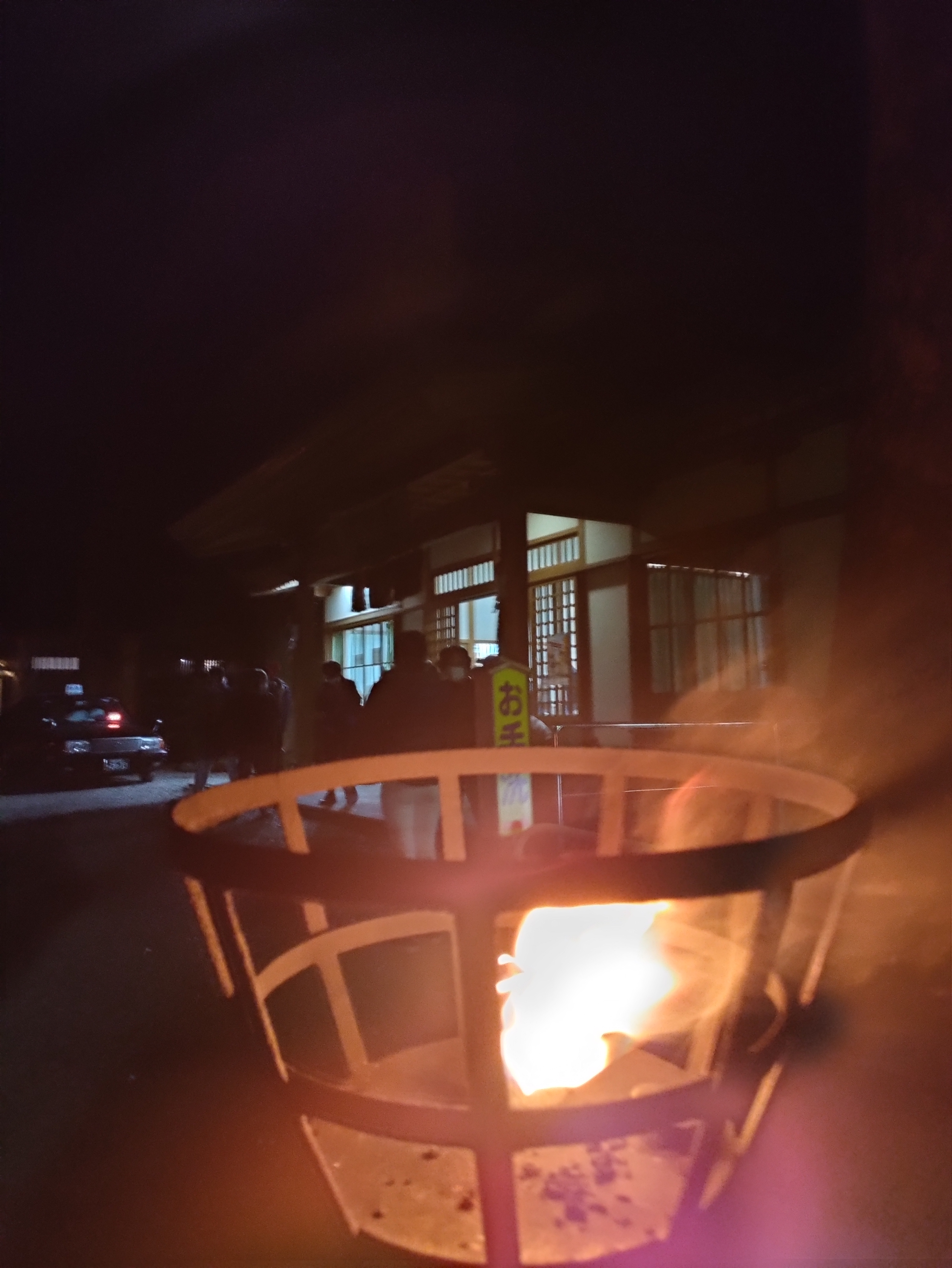 |
| The torch outside Kaguraden, giving mystical vibes |
- Arrive Early: The Kagura Hall is small, and seating is first-come, first-served. Arrive at least 30 minutes early to snag a good spot. Or if you do happen to stay with Takachiho Kamikakure, there's a van shuttle to pick you up and drop you off in return trips, but make sure you finish dinner and arrive at the meet up spot on time!
- Dress Comfortably: You’ll be sitting on the floor, so wear something cozy. And don’t forget to take off your shoes before entering!
- Book Early: It's highly recommended to make a booking online! Especially when it's close to the weekends, it'd be a bummer to not able to get a seat when you're already there!
- Add Your Accommodation Details: If you're staying the night in Takchiho (which is highly recommended, by the way!) remember to add your accommodation details when you're asked for it when you make reservations of the show online at the official booking site! (Also, you can book a stay with Kamigakure like how we did for extra convenience in transportation, read more here!)
- Stay Engaged: Don’t be afraid to clap, cheer, or laugh out loud. The performers feed off the audience’s energy, so the more you participate, the more fun it’ll be.
Final Thoughts: A Night to Remember
 |
| The performers interacting with the audience |
Imagine this: towering cliffs, emerald-green water, and a waterfall so stunning it looks like it was plucked straight out of a Studio Ghibli movie. Now imagine walking through the world of such natural beauty, and arriving a resting area, slurping noodles as they zip down a bamboo flume so quickly you'd be excited to catch them, and after your meal, exploring shrines where gods once partied, and finally soaking in a private hot spring under the stars to end the day. Welcome to Takachiho — where myths come alive, and every moment feels like magic! And today, I’m taking you there!
In my previous post, we drove from Kokura to Beppu and had a great experience in our accommodation with Shin-An as well as the local food! Today, we will be reaching the very spot that we think it'd be easily THE highlight of our entire journey, and that is no other than Takachiho Miyazaki prefecture!
If you’ve ever dreamed of a day that feels like it’s straight out of a travel brochure, my day in Takachiho was exactly that. From jaw-dropping natural wonders to spiritual shrines, slurping noodles in the most fun way possible, and ending with a soak in a private hot spring at Kamigakure—this day had it all. As always, here's an overview of part one of our fourth day in Kyushu, because this is actually gonna be a super long one!
Content Overview
- Why we chose Takachiho
- Road Trip Vibes: From Beppu to Takachiho
- Takachiho Gorge, here we are
- Nagashi somen at Chiho-no-ie
- Takachiho Shrine
- What's next?
Why We Chose Takachiho
Road Trip Vibes: From Beppu to Takachiho
 |
| Morning soak before departing! |
 |
| We're gonna travel far away~ |
 |
| Roadside Station - Namino Kaguraen |
 |
| Kumamon Pumpkin because we're passing through Kumamoto! |
 |
| When else will I consume sweets for breakfast outside of a vacation? |
Takachiho Gorge: A Natural Masterpiece That Feels Like a Dream
 |
| Descending from here will lead you to an entire region so stunning you'd be standing in awe |
 |
| My jealousy creeping into me as I watched people enjoying the boat ride (because the tickets were sold out way before our departure, and we checked at least 2 weeks before departure too)... |
 |
| Quack quack. Do not feed your breads to them. It's actually bad. There are duck feeds that can be purchased nearby! |
The first thing that struck me was the sheer scale of this entire area. Towering cliffs of volcanic basalt rose dramatically on either side, their jagged edges softened by lush greenery that clung to every crevice. The sunlight filtered through the trees, casting dappled shadows on the emerald-green water below. It was like stepping into a painting—one that felt almost too perfect to be real.
 |
| Haiku by Matsuo Basho: 梅か香に のつと日の出る 山路哉 (Translation: Through the scent of plum blossoms / suddenly the sun rises / a mountain path) |
 |
| Not gonna lie, it's much, MUCH better to see it with your own eyes |
 |
| The way the sun rays shone across the river, the breeze, and the soothing sounds of nature... Memorable. Mesmerizing. |
 |
| Blame my photography skills, really. |
 |
| Oh, the clear waters, the colors |
Nagashi somen at Chiho-no-ie: Can You Catch the Noodles?
 |
| Eateries right around here! |
 |
| Set lunch that came with fish and local vegetables |
 |
| Dango~ |
 |
| Oh, the misty breeze... |
 |
| Boat Rowing... |
Takachiho Shrine: Where Myths and Nature Collide
If Takachiho is the heart of Japan’s mythological roots, then Takachiho Shrine is its spiritual pulse. Built over 1,900 years ago, this shrine is one of the oldest and most revered in the region. It’s dedicated to the gods of Japanese mythology, including Takachiho-no-Mikoto, a deity associated with the founding of Japan. Walking through its grounds feels like stepping into a living storybook, where every tree, rock, and building has a tale to tell.
The shrine is surrounded by towering cedar trees, some of which are centuries old. These trees aren’t just for show—they’re considered sacred, acting as natural guardians of the shrine. The air here is thick with a sense of reverence, and even if you’re not a spiritual person, it’s hard not to feel a little awestruck.
 |
| Meoto Sugi, the pair of cedar trees symbolizing a married couple |
 |
| Kagura Hall during daytime |
 |
| Shrine |
 |
| The moment I saw the goldfish, I knew this is meant for me! |
