• Home
    • Travel Regions
      • Hokkaido
      • Tohoku
      • Osaka
      • Tokyo
      • Kyushu
      • Gifu
    • Reach Out
      • About Me
      • Contact Me
    • Tips & Guides
      • budgeting
      • Car Rental
      • Transportation
      • Muslim-friendly Guide
      • Coming Soon

Jin Travels Japan

Instagram Twitter Substack

Japan Transport Unlocked: IC Cards, JR Passes & Money‑Saving Hacks

Scenic gasshozukuri Japanese countryside Everything you need to know about Japan's transport: IC cards, JR Passes (nationwide vs regional), taxis, takkyubin, and budget night buses – from a Malaysian interpreter’s real experiences.
Share
Tweet
Pin
Share
No comments

How to get to Okuhida Onsen from Takayama and Nagoya — Nohi Bus vs car rental compared. Route details, winter driving tips, ETC cards, and honest advice for Malaysian and Singaporean travellers navigating the Japan Alps from Gifu's interpreter.

Okuhida Hot Springs, a quiet retreat from the popular Takayama
Share
Tweet
Pin
Share
No comments
Ascend to the roof of Japan on the Shinhotaka Ropeway. Your complete guide to Japan's only double-decker gondola with tips for visiting in all seasons. Reaching the Peaks: The Shinhotaka Ropeway Guide (2026/2027)| Jin Travels Japan

Kamuy, Wolves, and Walking with Spirits: Ainu Culture at Lake Akan

Shinhotaka Ropeway
Reaching the Peaks: The Shinhotaka Ropeway Guide (2027) | Jin Travels Japan Okuhida · Gifu Prefecture · Ropeway Guide

Reaching the Peaks

The Shinhotaka Ropeway — Japan's only double-decker gondola, and the most dramatic shortcut to the Northern Alps

The Shinhotaka Ropeway double-decker gondola ascending through summer green mountains toward the Northern Alps
The Shinhotaka Ropeway in summer — Japan's only double-decker gondola, ascending 500 vertical metres in seven minutes

The hot springs are Okuhida's soul, but the mountains are its reason for existing — and the Shinhotaka Ropeway is the most direct way to understand that. In under twenty minutes, two gondola stages lift you from a forested valley floor at 1,177 metres to an observation platform at 2,156 metres, with the full panorama of the Hotaka massif opening around you as the cable climbs. Most hikers work for two or three days to reach this view. The ropeway gives it to you before lunch.

This guide covers everything you need to plan a visit well: the two-stage journey, what to expect at the top, how each season changes the experience, practical ticket and access details, and the insider notes that make a difference on the day. — Jin, Gifu Interpreter & Japan Travel Specialist

Jump to
The Two-Stage Journey At the Top By Season Tickets & Access After the Descent FAQ

The ascent

A two-stage sky journey

One warm-up act, one main event — and the main event begins at a near-vertical cliff face

The Shinhotaka Ropeway operates in two distinct sections, each with a separate gondola. Understanding this before you arrive makes the logistics considerably less confusing — and helps you appreciate what you are actually riding when the second stage begins.

01
First Stage · 7 minutes

Shinhotaka → Nabedaira Kogen

A spacious standard gondola carries you from the base station at 1,177 metres to Nabedaira Kogen Station at 1,308 metres. The views are pleasant — dense cedar forest, the valley opening below — but this stage is the warm-up. Its purpose is to deliver you to the boarding point for what comes next.

1,177m → 1,308m · +131m elevation · Standard gondola
02
Second Stage · 7 minutes

Nabedaira Kogen → Nishihotaka

This is the one. The double-decker gondola — Japan's only one, named "Alpha" and "Beta" — climbs over 500 vertical metres up a near-vertical cliff face, the landscape transforming from forest to exposed rock within seconds of departure. The panorama of the Hotaka mountain range unfolds as you rise. Seven minutes feels like both not enough and exactly the right amount of time.

1,308m → 2,156m · +848m elevation · Double-decker gondola
Upper or lower deck? — Both decks of the double-decker gondola offer excellent views, but they are different in character. The upper deck gives a wider, more open panorama — you can see over the gondola's own roof line. The lower deck is slightly more sheltered and better for photography through the windows without glare. Neither is objectively better. Arriving early gives you the best chance of choosing; in busy periods you board where you fit.
Autumn foliage viewed from the Shinhotaka Ropeway gondola — red and gold mountainsides of the Northern Japan Alps
Autumn colour from the gondola — the second-stage ascent during peak koyo is among the finest views in the Japan Alps

Nishihotaka Station · 2,156m

What to expect at the top

Stepping out at Nishihotaka Station feels — particularly in winter — like arriving somewhere that did not exist a moment ago. The station complex sits at 2,156 metres on the edge of the Hotaka massif, and on clear days the view takes in Mt. Okuhotakadake (3,190m, Japan's third highest peak), Mt. Yarigan (Yari), and the full jagged ridgeline of the Northern Alps stretching north and south. The panorama requires no filter, no particular photographic skill, and no hiking experience to access. It is simply there, for anyone who makes it to the platform.

The station building contains a cafeteria and a proper restaurant on the upper floor — the curry is worth ordering, partly because it is good and partly because eating hot food at altitude in a mountain wind is one of those small pleasures that feels disproportionately satisfying. There are short, well-maintained walking trails extending from the station that allow you to move away from the platform and into the alpine landscape itself — rocky, sparse, the air noticeably thinner and cleaner than the valley below. Allow time for these. The observation deck is excellent; the trails add the physical reality of being in the mountains rather than merely observing them.

Weather changes fast at 2,156m — It is genuinely possible to have warm sunshine at the base station and strong wind with near-zero visibility at the top simultaneously. Check the live webcam on the official ropeway website before visiting — if visibility is poor at 10pm the night before, it is unlikely to clear by morning. Packing a windproof layer, regardless of the valley forecast, is non-negotiable.
Allow more time than you think — Two to three hours at the top is the right allocation if you want to cover the observation decks, walk the short alpine trails, eat something, and not feel rushed on the return gondola. Many visitors underestimate this and cut the trail walk short. The trails are the part worth keeping.

Planning your visit

The ropeway by season

The Shinhotaka Ropeway operates year-round with brief maintenance closures — and the experience differs significantly depending on when you visit. Here is what each season actually delivers at the top.

Spring
May–June. The road to the ropeway base opens through snow corridors — walls of three to five metres either side of the cleared route, most dramatic in early May. At the top, lingering snowfields against a bright blue sky create conditions unlike any other season. The gondola windows frame a world that is simultaneously winter at altitude and spring in the valley below. An underrated time to visit.
Summer
July–August. Full hiking season — all alpine trails from Nishihotaka Station are accessible, including longer routes into the Hotaka massif for those with experience and equipment. The summit temperature is reliably 15–20°C cooler than the valley, making this the ideal escape from lowland humidity. Afternoon thunderstorms build quickly over the peaks; plan to be on the observation deck, not an exposed trail, by 1pm.
Autumn
Late September–October. The peak season, and deservedly so. Koyo at this elevation is among the finest in Japan — the gondola ascent through fiery mountainsides in mid-October is genuinely one of the great seasonal views in the country. It is also the most crowded period. Arrive at the base station before 8am on weekdays; weekend mornings require even earlier starts. The colour peaks at altitude in early October and descends to the valley floor by late October.
Winter
December–March. A silent, white world. The razor-edged peaks under heavy snow are arguably the most dramatic view the ropeway offers in any season — stark, monumental, and entirely different in character from the summer and autumn versions. Dress seriously: the observation deck in winter wind is genuinely cold. Note the annual maintenance closures in early December and late February — check exact dates on the official site before planning.
Winter at Nishihotaka Station — snow-covered observation deck with Northern Alps peaks
The Shinhotaka double-decker gondola approaching the snow-covered Nishihotaka Station in winter
Winter at Nishihotaka Station — the observation deck under deep snow (left) and the double-decker gondola arriving in winter conditions (right)

Before you go

Tickets, access, and practical notes

At a glance

Round-trip ticket
~¥3,500 adults (date-dependent) · Both stages included · Major credit cards accepted at base station
Operating hours
Generally 8:30–16:00 (varies by season) · Confirm on the official site before visiting
By bus from Takayama
Nohi Bus from Hirayu Bus Terminal → Shinhotaka Ropeway stop · ~50 min from Hirayu · ~90 min from Takayama direct
By car
Large paid parking lot at the base station · Winter tyres or chains required December–March on the approach road
Maintenance closures
Early December and late February annually · Exact dates vary — always verify at shinhotaka-ropeway.jp
What to wear
Layers regardless of season · Windproof outer layer essential · Proper walking shoes for the alpine trails · Winter: serious cold-weather gear
Webcam
Live summit webcam on official site — check the night before. If the summit is socked in at 10pm, it rarely clears by morning.
Time to allow
2–3 hours at the top · Add 30 min each way for the gondola stages · Half day minimum from Hirayu; full day if combining with Shinhotaka Onsen
Go early — This is the most consistent advice for every season, but especially autumn and summer weekends. The first gondolas of the day have the calmest observation decks, the clearest morning light, and — in autumn — the most dramatic low-angle colour on the peaks. Arriving at the base station by 8:00–8:30am puts you ahead of the bus groups from Hirayu and Takayama, which typically arrive from 9:30am onward.

Completing the day

After the descent — the onsen that earns itself

Coming down from 2,156 metres and walking into a rotenburo is one of those sequences that feels designed rather than accidental. The Shinhotaka Onsen village sits at the base station, and several of its ryokan have outdoor baths with direct mountain views — the same peaks you just stood above, now seen from the valley floor, which gives the experience a satisfying reversal of perspective. If you are not staying overnight in Shinhotaka, the free public footbath (ashiyu) near the ropeway bus stop is a fine way to decompress before the return journey.

A short bus or drive takes you back to Hirayu, Fukuji, or Tochio for an evening at your own ryokan. The combination of a day at altitude and a long soak in a mineral spring is the essential Okuhida experience — and the ropeway is what makes the altitude part available to everyone, not just those with mountaineering ambitions.


Common questions

Shinhotaka Ropeway — FAQ

A round-trip ticket covering both stages costs approximately ¥3,800 for adults (prices are date-dependent and subject to change — verify current prices at shinhotaka-ropeway.jp). Tickets are purchased at the base station; major credit cards are accepted. There is no significant advantage to booking in advance for tickets — the gondola capacity means queues are managed on the day, and the main planning effort should go toward timing your arrival early rather than pre-purchasing.

The Shinhotaka Ropeway's second stage uses Japan's only double-decker gondola — two named cars ("Alpha" and "Beta") with upper and lower passenger decks, introduced to increase capacity on the steepest section of the ascent. Both decks offer excellent views. The upper deck provides a slightly wider, more open panorama; the lower deck is better for photography through the windows without overhead glare. In busy periods you board where space is available. Arriving early (before 9am) gives you the best chance of choosing your preferred deck.

The ropeway closes twice annually for maintenance: once in early December and once in late February. Exact dates change each year. Always verify at the official Shinhotaka Ropeway website before planning any visit — particularly winter visits, where the February closure date is the most commonly missed detail.

The most straightforward route without a car is the Nohi Bus from Hirayu Bus Terminal directly to the Shinhotaka Ropeway stop — approximately 50 minutes. From Takayama Station Bus Terminal, a direct bus takes approximately 90 minutes. Bus schedules reduce in winter; check current timetables at the Nohi Bus website. If staying in one of the Okuhida villages, many ryokan offer shuttle services or can advise on the most practical bus connection from their location.


Disclosure: This post contains affiliate links. If you book through them, I may earn a small commission at no extra cost to you.

🏨 Hoshino Resort KAI Okuhida 🚗 Car Rental from Nagoya ✈️ Flights to Chubu Airport

Continue your Okuhida journey:

Planning when to visit? Our Okuhida Seasonal Guide covers every season in detail — including the best timing windows for the ropeway itself.

Start from the beginning: Why Okuhida? Japan's Ultimate Alpine Onsen Escape.

Choosing your village base: The Five Villages of Okuhida.

Explore the historic city nearby: Takayama — about 90 minutes from Shinhotaka and a natural addition to any Gifu itinerary.

↑ Back to top
Share
Tweet
Pin
Share
No comments

How to Budget for Japan: Flights, Hidden Costs & When to Splurge

Shirakawago view with Gassho-zukuri and Hibiscus Budget travel Japan guide from a Malaysian perspective. Expert flight hacks, airline comparisons, hidden costs, packing tips, and when to splurge.

How to Budget for Japan: Flights, Hidden Costs & When to Splurge

Shirakawago view with Gassho-zukuri and Hibiscus Budget travel Japan guide from a Malaysian perspective. Expert flight hacks, airline comparisons, hidden costs, packing tips, and when to splurge.
How to Budget for Japan: Flights, Hidden Costs & When to Splurge | Jin Travels Japan
The Japan Travel Guide Series
Post 1 — How to Budget for Japan · Post 2 — Getting Around Japan (14 May) · Post 3 — Muslim-Friendly Japan (coming soon)
Japan Travel Guide · Post 1 · April 2026

How to Budget for Japan

Flights, hidden costs, and when to splurge — from a Gifu interpreter who’s flown every possible way

A few weeks ago, a WhatsApp chat with some girlies turned into a full-on travel clinic. Friend A asked about cheap flights. Friend B dropped airline staff wisdom. And I realised — I’ve flown to Japan every possible way. AirAsia with 7kg, ANA with free-flow corn soup, MAS with luggage so heavy it was a whole arm workout, and even a last-minute Singapore Airlines detour just to spend six hours eating laksa at Changi. Here’s what I’ve learned, from my broke student days to now.

Shirakawa-go autumn village view
Autumn in Shirakawa-go — one of the many reasons to visit Gifu, even on a budget.
📖 Jump to section
⚡ Quick summary ✈️ Flights 📊 Airline comparison 💰 Hidden costs ✨ When to splurge 🎒 7kg & winter packing 📊 Budget breakdown 📌 Final reminders

⚡ Quick summary: which travel style fits you?

If you are…Best flight strategyBudget range (flight)
Student / budget traveller
  • 🔴 AirAsia: book 6+ months ahead, direct to HND, KIX, CTS*, pack 7kg
  • 🟠 Scoot/Jetstar: accept transit, pack 7kg
  • 🟡 Vietjet: long transits, but competitive prices
RM800–1,500
Family / luggage-heavy shopper MAS (generous checked baggage), MATTA Fair deals, direct to NRT and KIX RM1,900–2,800
Comfort-seeker / airmiles collector ANA, SIA, JAL; book 5–7 months ahead, lounge access RM2,200–3,500
School holiday / peak season Book 6 months minimum, consider alternative airports (NRT/HND/KIX + train) RM2,200–4,000

📌 *Direct Flights with AirAsia: If you’re flying to Sapporo (Hokkaido), there are certain days where AirAsia offers direct flights (typically 4x a week during weekdays). The airline used to have direct flights to Nagoya (NGO) and Fukuoka (FUK), but halted since the pandemic until further notice.

⛽️ Price Increment: The above price range was based on personal experience. Your flight pricing can also be affected by taxes imposed by government from your departing country, as well as fuel prices due to policies and issues that may be out of our control.

🧳 Luggage Allowance: While it’s typically either hand-carry only, some airlines also offer checked allowance of 15kg, 20kg, 25kg, 30kg, etc. These allowances typically depend on different fare classes available, so look out for promotions or travel fairs!


✈️ Flights — the real story (no direct KUL–NGO anymore)

Important update: There is no longer a direct flight from Kuala Lumpur to Nagoya (NGO). Not AirAsia, not Scoot, never ANA (transit in Tokyo/Kansai), and MAS code-shares with JAL via Tokyo. If you’re heading to Gifu for the Japanese Alps like I do, you’ll transit somewhere (same goes for Fukuoka, and sometimes Sapporo). Here’s my honest take on each transit hub:

Transit hubWhy it worksJin’s note
Singapore (SIN)Smooth airport, great lounges, reliable connectionsI flew KUL-SIN-FUK with SIA – RM1,950 for 20kg during their promotion, but I paid about RM2,240+ for 25kg because I shop too much and believed 25kg was probably just enough (and I was right). 6-hour layover = bonus Changi time.
Bangkok (BKK)Often cheapest, good budget airlinesTransit is straightforward; airport food is solid. You can never go wrong with Thai food. But you might want to avoid milk tea if you’re lactose intolerant — Thai milk tea tastes amazing, but they also come with multiple trips to the toilet.
Vietnam (HAN/SGN)Very affordable, increasingly popularReliable, though fewer lounge options.
Manila (MNL)Only if you snag a deal so good you’re willing to risk missed connectionsAir traffic control can be unpredictable. I personally don’t recommend it unless you have a long buffer.

📌 Even without direct flights, landing in KIX (Osaka) is often faster for Gifu-bound travellers than Tokyo, as the Limited Express Hida or Shinkansen connection from Shin-Osaka is very efficient.

My personal flight experiences: I’ve flown ANA (KUL-HND) for RM1,800 last-minute during low season – a jackpot but rare. ANA remains my favourite (corn soup forever!). MAS overnight to NRT was comfortable with 28kg checked luggage on return. Singapore Airlines gave me 25kg and a lovely, hassle-free transit. AirAsia can be a steal but KLIA2 baggage check is stressful – they’re very strict with 7kg. I avoid it unless it’s a short domestic hop.

Aerial view of traditional thatched-roof houses in Shirakawa-go village during autumn

📊 Airline comparison — from my own wallet

FeatureAirAsiaMalaysia AirlinesANA / SIA / JAL
Typical fare (KUL-JPN)RM800–1,500 (hand carry only)RM1,900–2,800 (20–35kg checked)RM2,200–3,500 (23kg x2)
Baggage7kg hand carry; add-on for checkedMultiple pieces allowed as long as total weight within limit – I once checked in 28kg (my checked baggage limit was 30kg during a promotion period) for 16 days!2 pieces of 23kg each – very generous
MealBuy on boardDecent, includedANA’s corn soup is the best. I always asked for refills. Also, their windows are fun, and transits to domestic flights are hassle-free as long as they are in the same airport!
LegroomTight; pay for Hot Seat if tallComfortableVery comfortable
Check-in vibeKLIA2 can be stressful – strict 7kg enforcementKLIA1 – smoother, less anxietyKLIA1 – smooth, pleasant staff
Best forShort trips, absolute budget, pack lightFamilies, heavy shoppers, simplicityFrequent flyers (airmiles), comfort, lounge

📌 My airmiles confession: I still fly ANA or SIA when I can because I like to centralise miles. But if you’re not chasing points, pick what fits your budget. Just be honest about what you value: a few hundred ringgit saved, or a few hours of comfort.

💰 Hidden costs that sneak up on you — Central Japan version

CostTypical rangeJin’s tip
Airport transfer (NGO→Nagoya)¥1,400–¥3,500Meitetsu train is cheapest, and the most common option is the µ-SKY (Mu-Sky) limited express, which is ¥1,430 (980 + 450 seat reserve). For large groups / elderly / wheelchair users, door-to-door licensed transfer is worth the splurge.
IC card (Suica/Pasmo)*¥500–¥2,000 initial loadUse Suica app on your phone – I’ve lost my physical card three times (once thanks to SIA losing my luggage tag and never compensating me). Never again.
SIM / eSIMRM50–RM150 / 7 daysAiralo works great. No more hunting vending machines.
Cash withdrawal¥110–¥220 per withdrawalWise card is my best friend. I top up before leaving and rarely need ATMs. I also exchange cash in Malaysia to avoid fees entirely.
Accommodation tax¥200–¥1,000 / nightUsually shown at booking. Always check the final price.*
Unplanned purchases¥500–¥30,000+My weakness: omamori. I once spent ¥30,000 on 30 charms – a few from each shrine, for myself (buff +1!), and for family. Set a souvenir budget!
Bathing taxes¥150My comfort: Onsen. While not everywhere charges it, it’s common at onsen ryokan in Gifu (e.g. Gero Onsen, Hirayu Onsen) and Kyushu (Beppu, Yufuin, Kagoshima etc.).

📌 Physical IC Card: Sales of physical Suica/Pasmo cards were restricted due to chip shortages (though “Welcome Suica” for tourists exists), the sales resumed beginning March 2025! Also, if you’re traveling to Nagoya/Gifu, TOICA (the JR Central card used in Nagoya/Gifu) is also an option. Remember that they do have a refundable 500-yen deposit (doesn’t apply to Welcome Suica) when you return the card before leaving Japan.

🧾 Accommodation Taxes: As of time of writing, you’ve likely heard about the taxes in Tokyo, Kyoto (recently increased up to ¥1,000 per person per night for rooms costing over ¥50,000+), Toba (Mie) from April 2026, or Osaka. Other Kansai regions like Nara, Kobe, and Wakayama, and cities like Nagoya and Gifu, still do not have a widespread city tax — other than Takayama City, Gifu City, and Gero City, where the tax ranges between ¥100 to ¥300. Consider visiting these places for an off-the-beaten-path journey!

Note: If you’re staying at an onsen ryokan anywhere in Japan, expect a small, separate ¥150 bathing tax!

✨ When spending more is actually worth it

  • Better flight time: An overnight flight lands early morning; a 10 PM flight loses a day. The cheaper ticket isn’t always cheaper in lost time.
  • Luggage forwarding (takkyubin): RM50–80 (approx. ¥1,800–2,800) per standard suitcase (subject to size and weight). I resisted for years – now I use it every time. Reclaims hours of your trip. Forwarding my luggage to Nikko while I traveled light towards Hiroshima for just 5 days was the best decision I’ve ever made.
  • Ryokan night: Yes, expensive. But the kaiseki dinner + onsen in a historic building will outlast the memory of saving RM300.
  • Airport transfer for groups / mobility needs: A licensed door-to-door van can be a lifesaver, especially in winter.
  • Hotel near station in winter: I always pay extra to stay within 5–10 min walk from the station when it snows. Dragging 20kg through slush is not romantic.
Shirakawa-go thatched roofs in autumn

🎒 Packing smart — what I actually bring (7kg & winter edition)

Summer concert trip packing (worked like a charm):

CategoryWhat I packedJin’s note
Clothing2 dresses, 2 tops, 2 shorts, 1 skirtNo cardigans – crazy cold tolerance (hiked Beppu Ropeway in a knee-length skirt, no heattech; if you’re afraid of cold, don’t be like me).
Shoes1 pair leather shoes (custom soles for high arches)4+ years old, worn everywhere – even hiking.
ToiletriesTravel kits (Innisfree VIP) + free samplesSulwhasoo / History of Whoo samples are perfect.
SkincareRejuran sheet masks / Lululun 7-packI slap them on mid-flight. As long as I don’t feel embarrassed, the only ones feeling embarrassed are the others who judged! 😆
Electronics2 power banks (20,000 mAh each – check airline regulations before packing!)One for phone + earbuds, one for pocket WiFi. Backup in case hotel charger breaks (happened to me in Singapore, it was disastrous).
EntertainmentA thin bookRead on plane or before bed.
Just-in-caseBasic medicineNever regretted bringing it.
What I regrettedExtra cardigansToo hot. Take this with a grain of salt, and check your cold tolerance!

❄️ Winter travellers: Pay extra for checked luggage if you need winter boots, down jacket, long johns, mufflers. You can buy kairo (heat patches) at any pharmacy. Also, choose accommodation near the station – dragging luggage through snow is no joke. I usually book within 10 min walk in spring/autumn, but taxi + close hotel in winter. Also, you can get non-slip shoe attachments (spikes), typically available in convenience stores for about ~¥1,000.

Luggage locker hack: I often store my main suitcase in a coin locker (¥500–¥800) for a day trip, then move to the next city light. In Kyoto, I avoid buses with luggage (there’s a strict ban on large luggage on Kyoto city buses) – use subway stations or just take a taxi from Kyoto station; it’s not that expensive within the city centre.

📊 Budget breakdown example (7 days, Gifu / Nagoya area)

ExpenseBudget optionComfort optionJin’s note
Flight (KUL–NGO via transit)RM1,200 (AirAsia, 7kg, booked 5 months ahead)RM2,500 (SIA, 25kg, lounge, booked 6 months ahead)SIA transit in Singapore is a joy if you have time.
Accommodation (7 nights)RM1,500 (guesthouses, hostels)RM4,000 (mid-range + one ryokan night)Gifu has great guesthouses. I’ve stayed in both.
Transport (IC card, trains)RM500RM900 (includes one shinkansen)If you stay in Gifu, you won’t need shinkansen much.
FoodRM800 (konbini + casual lunches, one nice dinner)RM1,600 (mix of casual + splurge dinner)I still eat konbini onigiri even when I can afford more. It’s good.
Activities & miscRM400 (temples, hiking, one onsen)RM1,000 (guided tours, private onsen, omamori spree)Doburoku Festival is free. Best things in Gifu often cost nothing. If you are fine with trying sake (Warning: NOT halal at all!) then by all means consider visiting Shirakawa-go between October 14–19.
TOTAL RM4,400 RM10,000 Both trips are valid – it’s about what you value.
Shirakawa-go autumn path

📌 Jin’s final reminders & travel style

  • Accommodation tax – visible at booking. No nasty surprises if you check.
  • Airport transfers for large groups / wheelchair users – licensed door-to-door services are worth every yen. Don’t struggle with public transport if it adds stress.
  • Takkyubin alternatives – I sometimes book hotels/capsule hotels within 10 min of station, or use coin lockers between cities. In Kyoto, avoid rush-hour buses with luggage – take a taxi or stay near subway.
  • Winter luggage – factor in extra weight for winter gear. Pay for checked baggage ahead of time.
  • Omamori addict? Set a limit. I didn’t once and walked away with 30 charms. (No regrets though.)

📌 Important Disclaimer: Prices and tax regulations are accurate as of March 2026 but are subject to change by local authorities. I’ll update my master lists regularly to keep your planning stress-free!

Friend A’s husband prefers MAS. She’ll take AirAsia if it’s cheap. I get both. My own style has changed: I used to chase the lowest fare; now I pay for comfort when I can, but I still know how to make 7kg work. There’s no right way — just the way that gets you to Japan without breaking your bank or your spirit.

What’s your travel style? Are you team “I’ll take kejung bontot asal sampai” like Friend A, or team comfort like her husband? Or maybe you’re an omamori addict like me? Drop a comment – I’d love to know!

Shirakawa-go rooftops

*Disclosure: This post contains affiliate links. If you book through them, I may earn a small commission at no extra cost to you. This helps keep the blog running – thank you! 🙏

🏨 Book Takayama Hotels 🚗 Rent a Car in Japan ✈️ Flights to NGO / KIX
↑ Back to top

More Japan travel wisdom:

Shirakawa-go Master Checklist · Magome vs Tsumago vs Narai · Eastern Hokkaido Through My Eyes

© 2026 Jin Travels Japan – budget tips from a Gifu interpreter who’s been there, flown that.

Share
Tweet
Pin
Share
No comments

Resort Shirakami: Scenic Train Journey Through Tohoku

Experience breathtaking Sea of Japan views on JR East's Joyful Train through UNESCO-listed Shirakami Mountains - Free with JR East Pass!
★★★★☆ 4.7/5

Train Info

🚂
Name: Resort Shirakami (Aoike, Buna, Kumagera)
📍
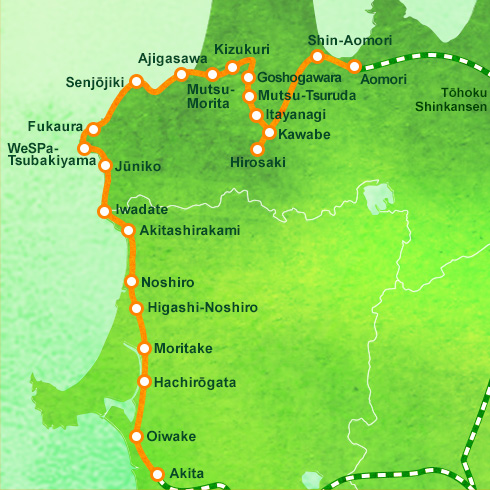
Route: Aomori to Akita via Gono Line
⏱️
Duration: 5 hours (full route)
🚉
Key Stops: Aomori, Hirosaki, Juniko, Akita

Key Features

🌊
Views: Stunning coastal scenery of Sea of Japan
🏞️
Theme: Celebrates Shirakami-Sanchi UNESCO site
🛋️
Interior: Unique designs with observation lounges
🎭
Onboard: Cultural performances & local treats

The Shirakami Mountains Experience

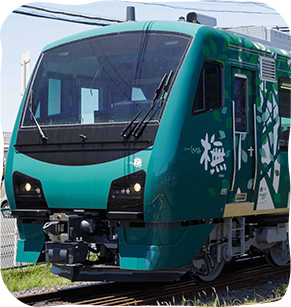
Resort Shirakami Buna train
The beautiful Buna model of Resort Shirakami
"The train gives a magical journey through landscapes that feel untouched by time."

Three Unique Designs

Resort Shirakami features three distinct train designs inspired by the UNESCO World Heritage Site Shirakami-Sanchi:
  • Buna: Beech tree theme with warm wooden interiors
  • Kumagera: Black woodpecker motif featuring deep blues
  • Aoike: "Blue Pond" design with aquatic colors
Each train operates on a hybrid system using diesel engines and lithium-ion batteries, making it environmentally friendly.

The Scenic Journey

Resort Shirakami route map
The scenic Gono Line route along the Sea of Japan
  • Must-see: Coastal views of the Sea of Japan
  • UNESCO Site: Shirakami-Sanchi beech forests
  • Photo stops: Juniko (Twelve Lakes) area

Coastal Wonders & Mountain Vistas

The Resort Shirakami connects Aomori and Akita via the picturesque Gono Line, offering some of Japan's most stunning coastal scenery. As the train winds along the Sea of Japan coast, you'll enjoy breathtaking views of:
  • Dramatic sea cliffs and fishing villages
  • The iconic Mount Iwaki ("Tsuruga Fuji")
  • UNESCO-listed beech forests of Shirakami-Sanchi
The train makes strategic stops at scenic locations, allowing you to explore highlights like the Juniko (Twelve Lakes) area.

Onboard Experience

Train interior with wooden design
The warm, woody interior of the Buna train

Comfort & Culture Combined

Step inside to discover thoughtfully designed spaces:
  • Observation Lounges: Panoramic windows for optimal viewing
  • Event Spaces: Live cultural performances during the journey
  • Box Seats: Private compartments with convertible beds
  • ORAHO Counter: Local snacks, drinks, and souvenirs
Photography enthusiasts will appreciate the numerous Instagrammable spots throughout the train.

Local Treats & Activities

The train features charming amenities where you can enjoy:
  • Local Tohoku snacks and beverages
  • Exclusive Resort Shirakami souvenirs
  • Cultural performances and region-themed quizzes
During the journey, staff often host interactive activities about Tohoku culture.
Box seats on Resort Shirakami
Spacious box seats that convert to sleeping areas
Resort Shirakami ticket
Commemorative train ticket

Personal Experience

During my journey, I was fortunate to experience both the Buna and Kumagera trains. The box seats were particularly memorable - with convertible beds and privacy curtains, they offer a perfect retreat for introverts.
Seating Tip: For the best experience, reserve box seats in advance. If the train isn't full, you can move around to different viewing areas after departure.

What I Loved

  • Breathtaking coastal and mountain views
  • Three unique train designs to experience
  • Spacious box seats with privacy
  • Cultural performances onboard
  • Free with JR East Tohoku Area Pass
  • Commemorative boarding certificate
  • Eco-friendly hybrid engine system

Considerations

  • Limited departures (2-3 per day)
  • Requires advance seat reservation
  • Popular route - books up quickly in peak seasons
  • Full journey takes 5 hours
  • Not all stations have full accessibility

Ride the Resort Shirakami!

Ready for your scenic journey through Tohoku?

Check Schedule & Reserve Seats
Reservations can be made at JR Stations or through Eki-Net

Final Verdict

★★★★☆ 4.7/5

The Resort Shirakami offers an unforgettable journey through Tohoku's stunning landscapes. With its unique designs, comfortable interiors, cultural experiences, and breathtaking coastal views, this scenic train is a highlight of any northern Japan itinerary.

Perfect for

Scenery lovers and photographers
Cultural experience seekers
Travelers with JR East Pass
Those exploring off-the-beaten-path Japan

Consider if

You enjoy slow travel experiences
You appreciate unique train designs
You want to see Tohoku's coastal beauty
Travel Tip: Combine your train journey with visits to Hirosaki Castle (spring cherry blossoms), Juniko's Blue Pond, and Akita's Kanto Festival (August). Departures are limited - book at least a month in advance through JR East's Eki-Net system.

*Disclosure: This post contains affiliate links. If you book through them, I may earn a small commission at no extra cost to you. This helps keep the blog running - thank you! 🙏

🏨 Book Aomori Hotels 🏨 Book Akita Hotels 🎫 Buy JR East Pass 🚆 Reserve via Eki-Net

Have you experienced the Resort Shirakami or other Joyful Trains in Japan? Share your stories below!

© 2025 Jin Travels Japan

Share
Tweet
Pin
Share
No comments
Older Posts

About Me

Jin
Jin
Freelance Interpreter & Translator
Type A  ·  ENFP  ·  Virgo–Libra Cusp
Interpreting Experience
・Hoshino Resorts Tomamu
Travel Events
・Gifu Prefecture Tourism
Travel & Business Events
Former travel consultant, Japanese agency (3+ years)
Languages
English  ·  中文  ·  Bahasa Malaysia  ·  日本語
岐阜県通訳・旅行コンサルタント経験有。
4ヶ国語話せます。
日本文化とモバゲーが大好きです!
Support the blog

If these posts have been useful…

Writing detailed travel guides takes time — researching, photographing, and keeping everything current. If you've found something here helpful, a coffee goes a long way. No pressure at all, and thank you for reading.

Buy me a coffee on Ko-fi
no obligation · always free to read
Rail Passes & Japan Essentials

Sort your rail pass before you book anything else.

Three years at travel fairs and it is still the first question: which JR pass do I actually need? What hassle-free activities would be great? Japan Experience carries the full range — regional and nationwide — with honest side-by-side comparisons.

Browse passes & activities →

Affiliate link. Booking through this supports the blog at no extra cost to you.

Klook.com

Blog Archive

  • ▼  2026 (59)
    • ▼  July (10)
      • Theseus' Ship: The Renewed History and the Self We...
      • 📱 The Digital Traveler: Must-Have Apps & Tech for...
      • Living Traditions of Shirakawa-go (2027) | Jin Tra...
      • 🛍️ Japan Shopping 2026: Tax-Free Deadline, Gifu C...
      • Shirakawa-go Historic Houses Guide 2027 | Jin Trav...
      • Japan Travel Master FAQ: Common Mistakes & Expert ...
      • The Wild Side of Shirakawa-go: 2026/2027 Hiking & ...
      • You Can't Step in the Same River Twice: Travel, Ch...
      • Shiroyama Observation Deck Guide: How to Get the B...
      • Japan Summer 2026: Top Festivals & Cooling Hack | ...
    • ►  June (10)
    • ►  May (8)
    • ►  April (9)
    • ►  March (14)
    • ►  February (4)
    • ►  January (4)
  • ►  2025 (49)
    • ►  December (5)
    • ►  November (4)
    • ►  October (4)
    • ►  September (5)
    • ►  August (4)
    • ►  July (4)
    • ►  June (5)
    • ►  May (4)
    • ►  April (4)
    • ►  March (6)
    • ►  February (4)
  • ►  2020 (18)
    • ►  November (1)
    • ►  July (1)
    • ►  June (2)
    • ►  May (3)
    • ►  April (3)
    • ►  March (4)
    • ►  February (3)
    • ►  January (1)
  • ►  2019 (24)
    • ►  October (5)
    • ►  September (1)
    • ►  August (1)
    • ►  July (5)
    • ►  June (4)
    • ►  May (4)
    • ►  March (3)
    • ►  January (1)

Created with by BeautyTemplates

Distributed by Gooyaabi Templates